


What is the Impact of Electronic Music on Pop Culture
You are at a music festival. The illumination changes colour rhythmically. The bass is heard at a very low frequency. The people in the crowd react with the same movement.
In case you are not aware of it, the fact that you experienced in those few seconds is linked to something that is more than 60 years old that is, to weird inventors who, in poorly lit laboratories, gave life to oscillators, tape machines, and voltage-controlled circuits.
The impact of their work on pop culture was that of a new genre plus a major reconfiguration of the entire music landscape. Nowadays, electronic music is almost synonymous with pop music. It can be heard in top-charting songs from the likes of The Weekend, Apple ads feature ambient electronic music, an electronic music soundtrack is what constitutes a major part of a popular sci-fi movie, and it is also one of the staples of every coffee shop playlist.
However, few are aware that electronic music, through its very essence, has deeply influenced the environment around it, and its impact even dates to a very early period. In fact, those changes started out globally and fiercely electronic music is part of the history, fashion, film, art, and culture that take place worldwide.
The Origins — Where It All Began The Origins —
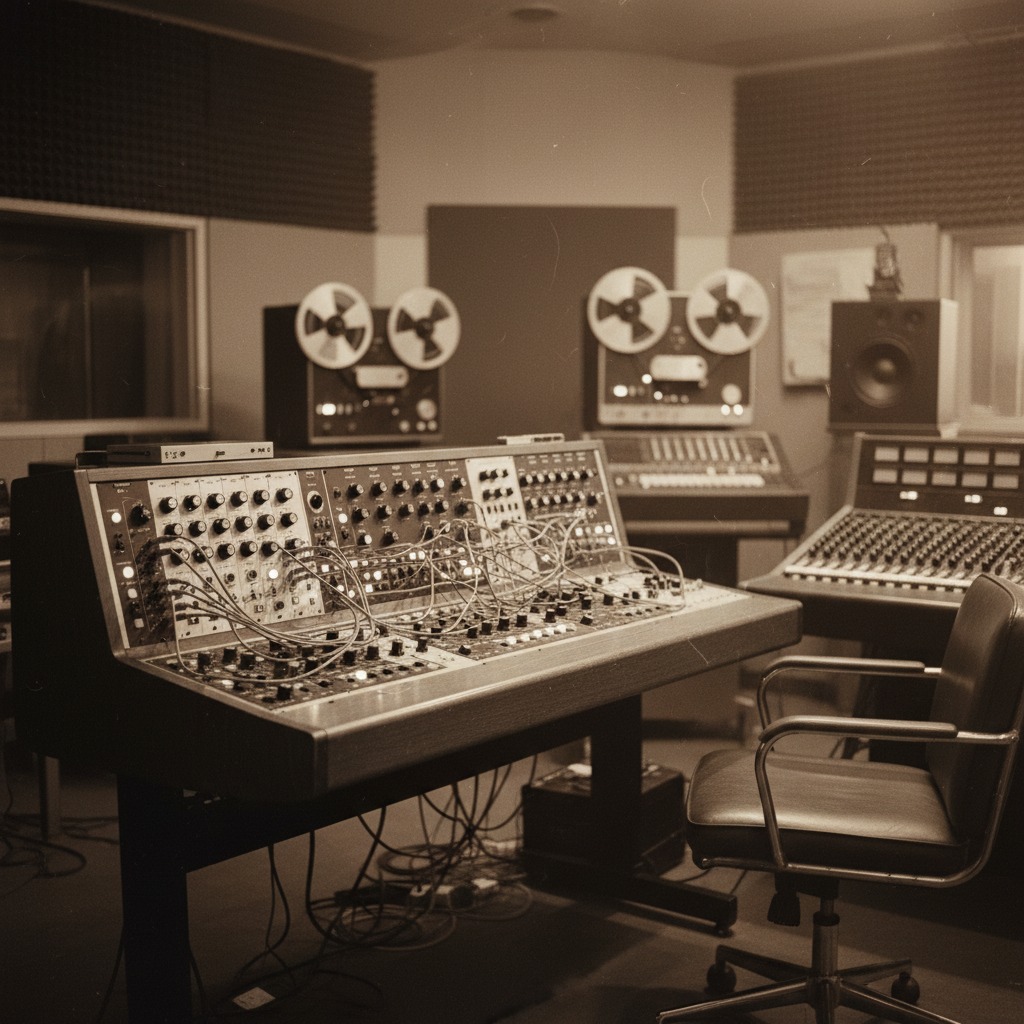
Electronic music did not come about initially at a rave. Actually, it came about primarily through research labs and experimental studios in the early 20th century. The Theremin which was invented in 1920 was one of the very early electronic instruments that attracted the public’s attention.
It was not until 1950s that the Paris and Cologne studios became the centres of “musique concrète” – the music made by purely manipulating sounds.
Next in line was the Moog synthesizer of 1964. When Wendy Carlos brought out Switched-On Bach – the classical pieces played solely on a Moog – it crossed million sales mark and was honoured with three Grammy Awards. To say the least, the general public got interested.
Kraftwerk, Disco, and the 1970s Turning Point
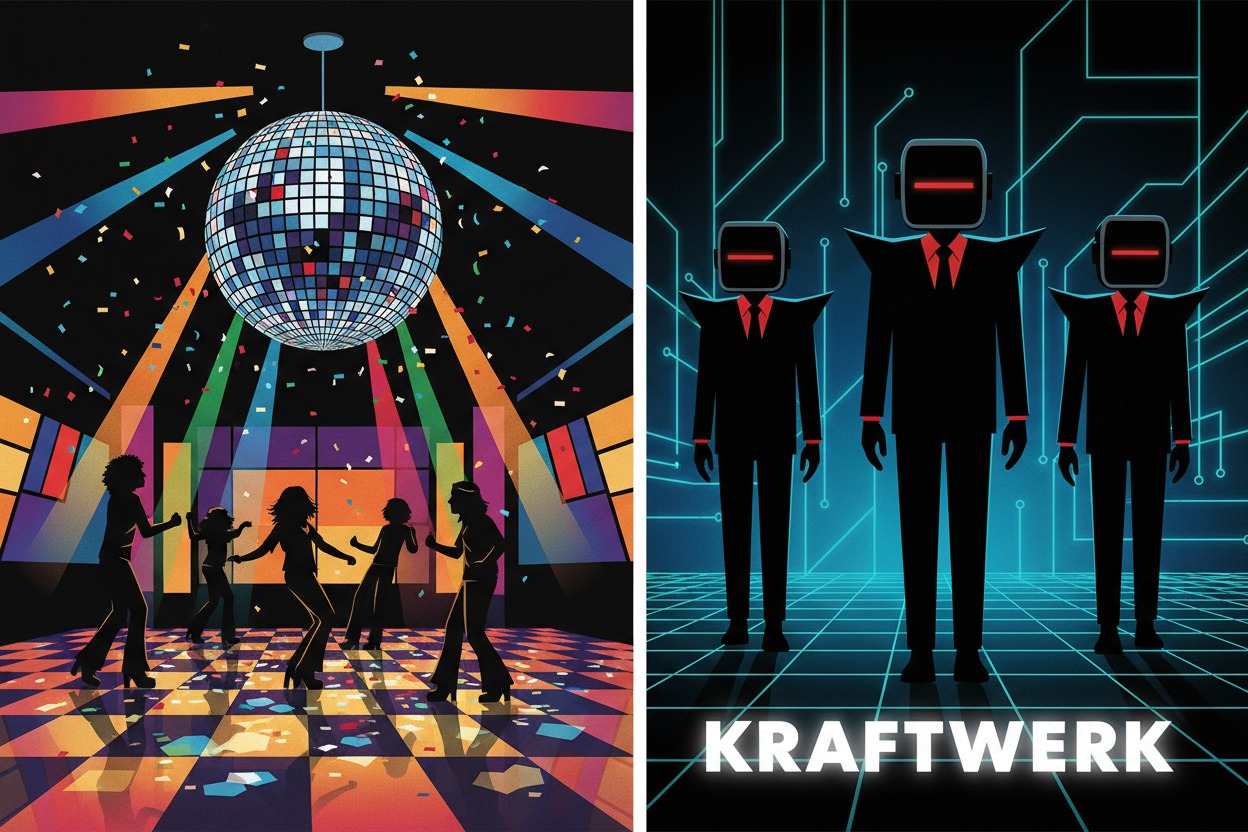
Kraftwerk was a group that set the pace for the change in the 1970s. They made electronic music accessible to the human ear. Their music, such as the album Trans-Europe Express(1977) was very much of the future but at the same time melodic. Bowie’s words were very complimentary: “the most important group in rock.”
They influenced a few artists outside of hip-hop as well — to Afrika Bambaataa who made use of their sampling of Planet Rock in 1982, one of the defining records of hip-hop, was the result of their influence.
On the other hand, disco maestro Giorgio Moroder starting using synthesizers in the making of pop records. His work with Donna Summer — especially I Feel Love (1977) — is widely considered the blueprint for modern electronic dance music.
The 1980s — Synth-Pop Takes Over
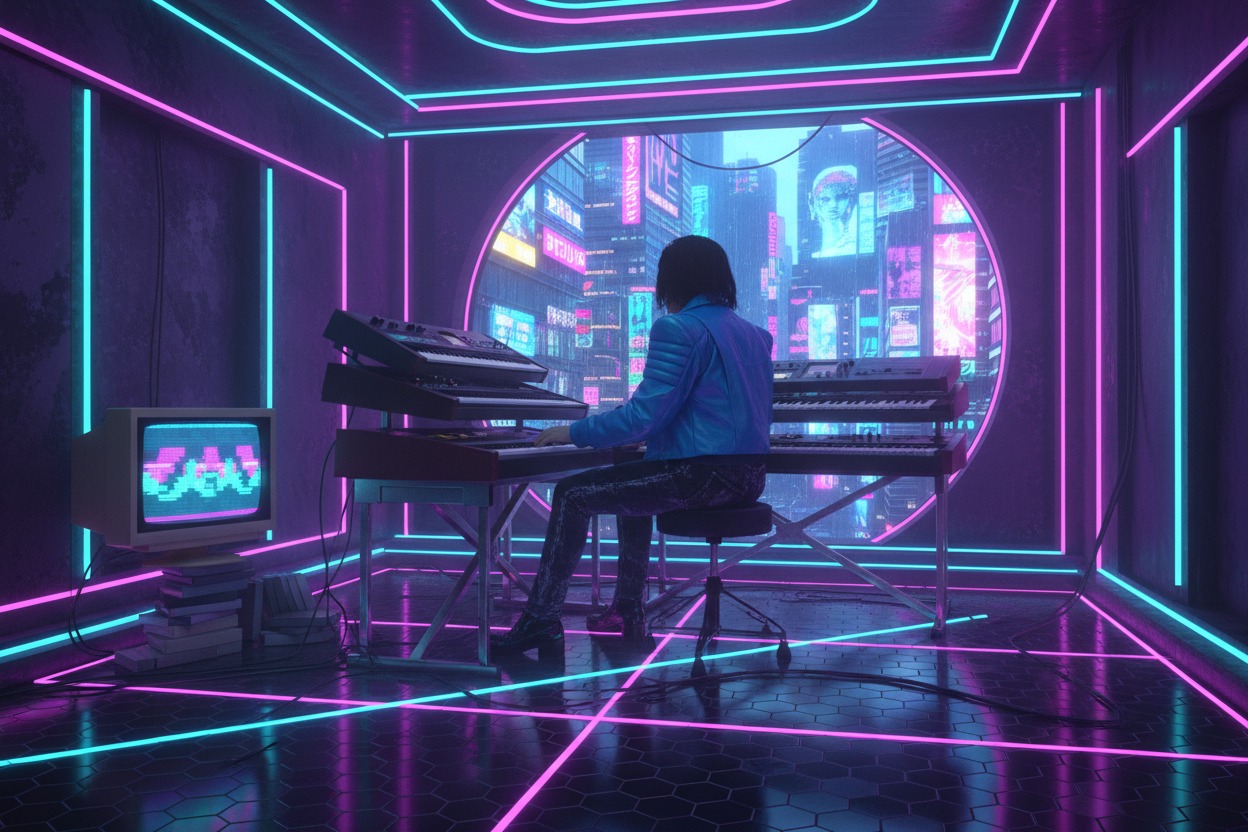
Diving into this side of the decade, electronic music truly escalated, bursting out through the inescapable 1980s. The rise and popularity of groups like Depeche Mode , New Order , and Pet Shop Boys flooded the charts, revealing synthesizers as lead musical instruments.
The Roland TR-808 drum machine which was in fact a flop in initial days, now is the heart and soul of hip-hop, R&B, and pop.
The hard-hitting bass drum of the TR-808 has been present in the music of the last four decades. Even the style of synth-pop influenced fashion, visual art, and was a big part of MTV’s early character. Electronic music wasn’t just making noise anymore — it was reshaping what popular music was.
Rave Culture — A Social Movement Driven by Sound
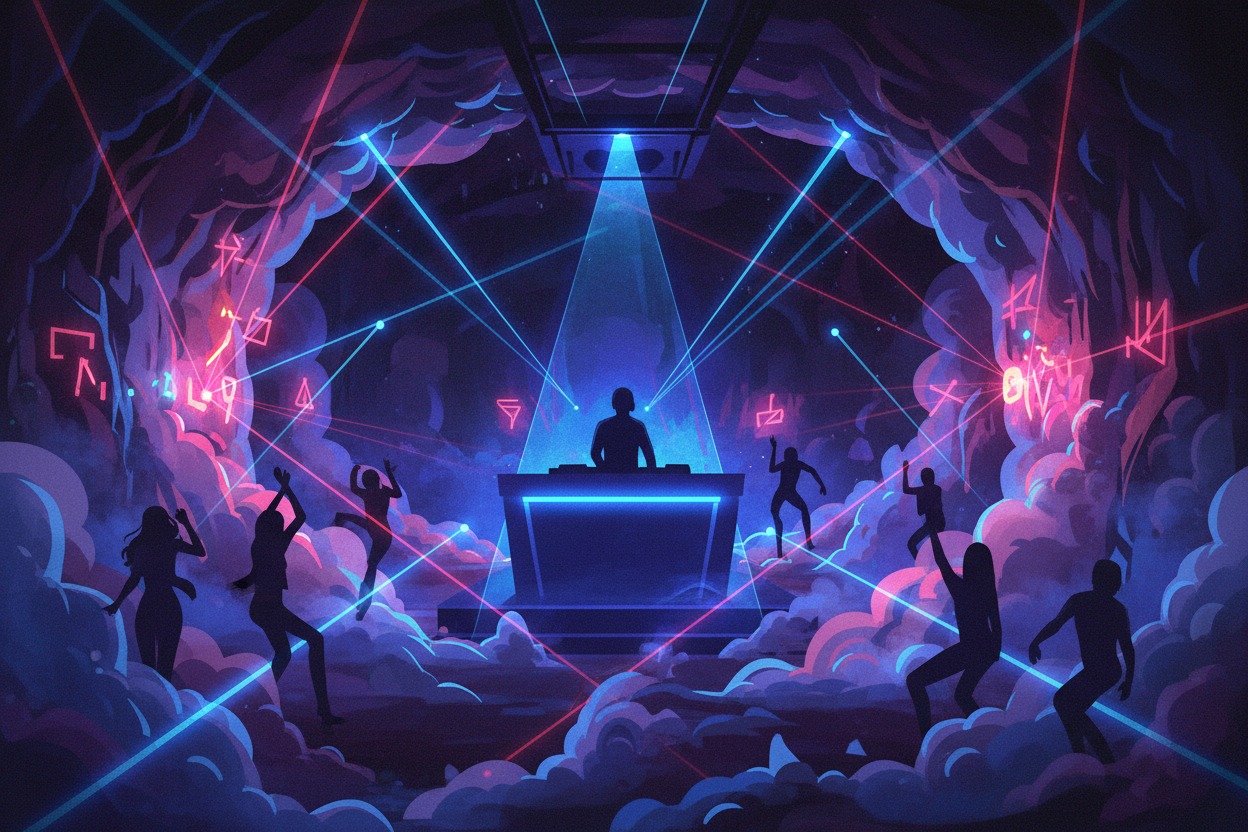
The late ’80s and the ’90s introduced the rave culture that was inspired by the house music from Chicago and the techno from Detroit. In the UK, the “Second Summer of Love” in 1988 saw the gathering of thousands of people in unlicensed parties – euphoric, communal, and so disruptive that they led to government legislation.
PLUR (Peace, Love, Unity, Respect), the core values of rave culture, was an informal creed. Along with music, its fashion (baggy clothes, bucket hats, neon), graphic design, and community-building methods extended far into culture and even forecasted the aspects of what is now called internet culture.
EDM, Festivals, and the Billion-Dollar Economy
By the 2010s, the culture of electronic dance music underground had transformed into a world-wide entertainment business. Tomorrowland, Ultra Music Festival, and Electric Daisy Carnival were the religious tourism events for millions of people on an annual basis. Avicii and Calvin Harris, the DJs, got the same level of fame as that of a rock star, which was a rare occurrence back then.
The surge in popularity of electronic dance music led to changes in the society in many areas such as fashion (festival wear has now become a billion dollar market), visual culture (LED stage design is considered as live art by pushing the boundaries), and celebrity culture (DJs have become brand ambassadors and cultural icons).
Electronic Music in Film and Fashion
Vangelis’s Blade Runner score (1982) basically came to represent the sound that we today associate with cyberpunk music. If you look at the synth music in Stranger Things, that was basically a soundtrack for 1980s synth culture revival, reaching out to a whole new generation. On the other hand, after mixing electronic and orchestral elements, Hans Zimmer’s scores for Inception and Dune have become the new modern cinematic language.
The impact of electronic music on fashion is also very palpable. The clothing of rave culture, which was loose and functional, was one of the main sources of inspiration for streetwear. The fashion of EDM festivals gave rise to a totally new category of things such as body glitter, LED accessories, and neon layering. Even the luxury houses like Dior and Off-White have borrowed electronic music’s visual identity.
Pros and Cons of Electronic Music’s Pop Culture Dominance
| Pros | Cons |
| Democratized music production | Risk of sonic homogenization in mainstream pop |
| Created inclusive, communal culture (rave, festival) | Some argue overproduction has replaced musical craft |
| Enabled global cross-cultural music exchange | Corporate co-option has diluted underground culture |
| Pushed boundaries of visual art and performance | Algorithmic streaming rewards familiar sounds over innovation |
| Sustained innovation across decades | Genre fragmentation can isolate audiences |
Conclusion
Electronics music has been a significant cultural element for decades. The story “chapter” is not just in history; it continues. It’s been the alluring cultural “counterpoint” all the way from the first sound of Theremin to today’s AI-generated music, pushing the boundaries of culture tirelessly. It gave everyone a chance to create, made music from different parts of the world familiar to everyone, influenced celebrities lifestyle, films, and even created groups of people who didn’t need a shared language to understand one another.
Every time a producer picks up a synthesizer, every time a director decides on an electronic soundtrack, every time a teenager launches Ableton in their room – that’s the heritage, still alive and functioning. The culture doesn’t stop evolving. And as you read this, a new sound is being created which will, once again, be the one that changes everything.